
Ali Khamenei Biography
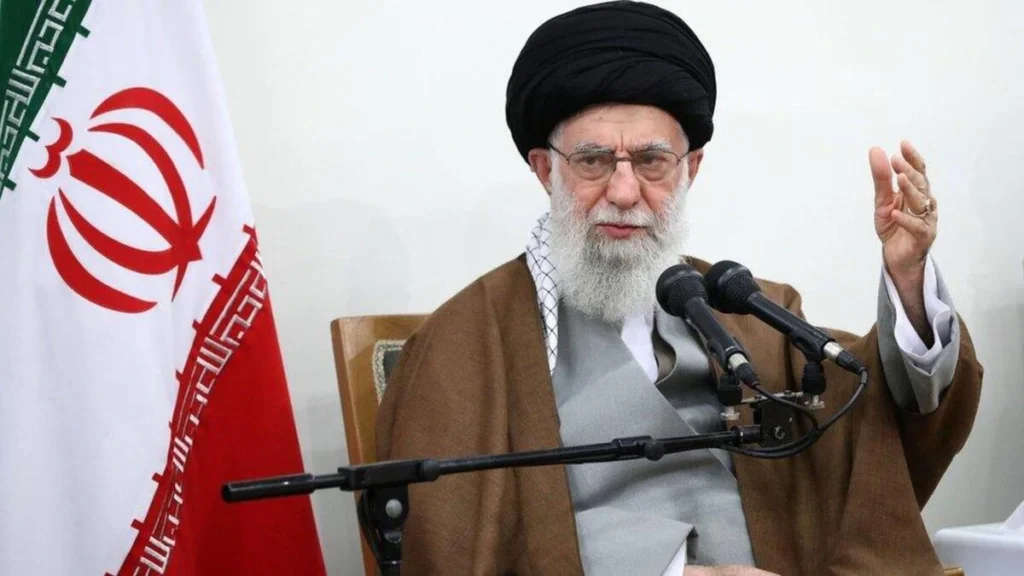
Ali Khamenei was born on April 19, 1939, in Mashhad, Iran. He grew up in a deeply religious family. From an early age, he studied Islamic theology and Persian literature. Later, he continued his religious education in Qom, Iran’s clerical center. During this period, he became politically active and opposed the Shah’s rule. As a result, authorities arrested him several times before the 1979 revolution.
After the Iranian Revolution, Khamenei gained influence in the new Islamic Republic. In 1981, voters elected him President of Iran during the Iran–Iraq War. He served two consecutive terms until 1989. During his presidency, he promoted revolutionary ideals and strengthened state institutions. Moreover, he developed close ties with Iran’s military and religious leadership.
In 1989, clerics appointed him Supreme Leader of Iran after Ayatollah Khomeini’s death. Since then, he has remained the country’s most powerful figure. He oversees the armed forces, judiciary, and key media outlets. Additionally, he holds strong influence over elections and foreign policy.
Throughout his rule, Khamenei has supported Iran’s regional allies and resisted Western influence. Consequently, his leadership remains highly controversial. While critics cite human rights concerns, supporters credit him with maintaining regime stability.
Ali Khamenei Age
How old was Ali Khamenei?
Ali Khamenei was born on April 19, 1939, in Mashhad, Iran. He ruled Iran as Supreme Leader from 1989 to 2026 for over 36 years. At the time of his death on February 28, 2026, he was 86 years old. His age reflected decades of influence in Iranian politics and Middle Eastern affairs. Khamenei reached his 86th year just weeks before his death, ending one of the longest leadership tenures in the region. His leadership period shaped Iran’s political structure and regional role throughout his life.
Ali Khamenei Height
How tall was Ali Khamenei?
Ali Khamenei stood around 5 feet 9 inches (175 cm) tall.His height was slightly above the average male stature in Iran. Overall, his physical presence complemented his role as Supreme Leader of Iran, although his influence stemmed primarily from political and religious authority, not physical stature.
Ali Khamenei Wife
Ali Khamenei married Mansoureh Khojasteh Bagherzadeh in 1964 in a family ceremony. She was born in Mashhad, Iran, into a religious Persian family. They share six children, including four sons and two daughters. During his early political struggles, she supported him quietly and guarded his writings. Although she lived beside one of Iran’s most powerful leaders, she kept a private life away from the public eye. Furthermore, her role focused on family and faith more than politics. Her steady support shaped their long marriage and family life.
Ali Khamenei Children
Ali Khamenei has six children with his wife, Mansoureh Khojasteh Bagherzadeh. He raised four sons named Mostafa, Mojtaba, Masoud, and Meysam. Meanwhile, he also has two daughters named Boshra and Hoda. Their sons followed religious education and often work in clerical or political circles, especially Mojtaba, who holds influence within Iran’s leadership. In contrast, his daughters keep more private lives and rarely appear in public. Furthermore, his children all live in Iran and maintain close family ties. Overall, his family shapes part of Iran’s elite network and sometimes appears in news about leadership succession.
Ali Khamenei Education: Where Iran’s Supreme Leader Studied and Learned
Ali Khamenei began formal learning at age four by memorising the Quran at a local maktab school in Mashhad. He then joined religious schools to study Arabic grammar, theology, and Islamic jurisprudence. Later, he attended advanced seminary studies in Mashhad under senior clerics. In 1957, he briefly studied in Najaf, Iraq, and later moved to Qom, Iran for deeper Islamic education. There, he learned from senior scholars, including influential clerics who shaped his religious and political thinking. His extensive religious education prepared him for leadership, forming the foundation of his role as a prominent Islamic jurist and Supreme Leader of Iran.
Ali Khamenei Religion
Is Ali Khamenei Shia or Sunni?
Ali Khamenei was a devoted Shia Muslim, specifically following the Twelver Shia branch of Islam. He studied Shia theology extensively in Mashhad and Qom, learning under prominent clerics. His faith shaped his worldview and guided his political decisions as Supreme Leader of Iran. Khamenei’s leadership reflected Shia principles, influencing legislation, judiciary, and foreign policy. He promoted Shia religious education across Iran and supported Shia communities abroad. Consequently, his religious beliefs reinforced Iran’s identity as a Shia-led Islamic Republic. His influence bridged religion and state, shaping both domestic governance and regional Shia alliances.
Ali Khamenei Death Confirmed: Iran’s Supreme Leader Killed After US‑Israeli Attacks
Is Iran Supreme leader dead?
Iran confirmed that Supreme Leader Ali Khamenei is dead after joint US and Israeli military strikes hit Tehran. The attacks occurred on February 28, 2026, targeting Iranian leadership and strategic locations. Iranian state media announced his death the following day, ending his 36‑year rule. Officials declared a 40‑day national mourning period with public holidays to honor him. Several senior military figures and close aides reportedly died in the attacks. Meanwhile, Iranian forces launched retaliatory strikes on US and Israeli positions in the region. Khamenei’s death marks a major shift in Iranian politics and raises questions about future leadership.
Ali Khamenei’s Health
Ali Khamenei, Iran’s Supreme Leader, experienced ongoing health speculation due to his advanced age. Over the years, he underwent routine medical checkups and minor procedures. Meanwhile, officials frequently denied claims of serious illness. He remained active in meetings and public appearances, demonstrating continued involvement in Iran’s leadership. Observers noted that periods of fewer public appearances fueled rumors about his condition. Despite these concerns, there were no confirmed reports of critical health issues before 2026. His age and health were closely watched by both supporters and critics, highlighting their importance for Iran’s political stability.
Ali Khamenei Successor: Who Will Lead Iran After the Supreme Leader’s Death in 2026?
Iran now faces a leadership succession process after the death of Supreme Leader Ali Khamenei in February 2026. The Assembly of Experts, a clerical body of 88 members, must choose the next Supreme Leader under the Iranian constitution. Meanwhile, a temporary leadership council including the president and judiciary chief manages duties until a new leader is named. Several figures are mentioned as potential successors, including Mojtaba Khamenei, the late leader’s son with influence in security networks, and senior clerics with strong religious authority. However, no official successor has been declared yet. The final choice will shape Iran’s political direction amid regional tensions and domestic challenges.
Ali Khamenei’s Books: List of Works by Iran’s Supreme Leader
Ali Khamenei has authored several books on Islamic thought, political theory, and revolutionary ideology. Below is a list of his most notable works:
- “Palestine: Today and Tomorrow” — Explores his views on the Palestinian cause and resistance.
- “Islamic Unity and Sectarianism” — Discusses unity among Muslims and dangers of division.
- “The Islamic Revolution: Its Concepts and Goals” — Outlines the ideological basis of Iran’s 1979 revolution.
- “Forty Hadith: Principles of Spiritual Life” — Reflects on key prophetic traditions and personal guidance.
- “Political Thought in Islam” — Examines governance and statecraft from an Islamic perspective.
These books influence students of Islamic jurisprudence, Middle East politics, and revolutionary theory. His writings shape clerical education and political discourse throughout Iran and the broader region.
Ali Khamenei Net Worth
Ali Khamenei, Iran’s late Supreme Leader, reportedly oversaw a vast financial empire valued in the tens of billions of dollars. His influence extended through state‑linked foundations and large corporate holdings. This figure reflects wealth tied to institutional power and asset management, not verified personal cash. Even though he maintained a modest public lifestyle, his economic reach shaped parts of Iran’s economy and political structure during his leadership years.