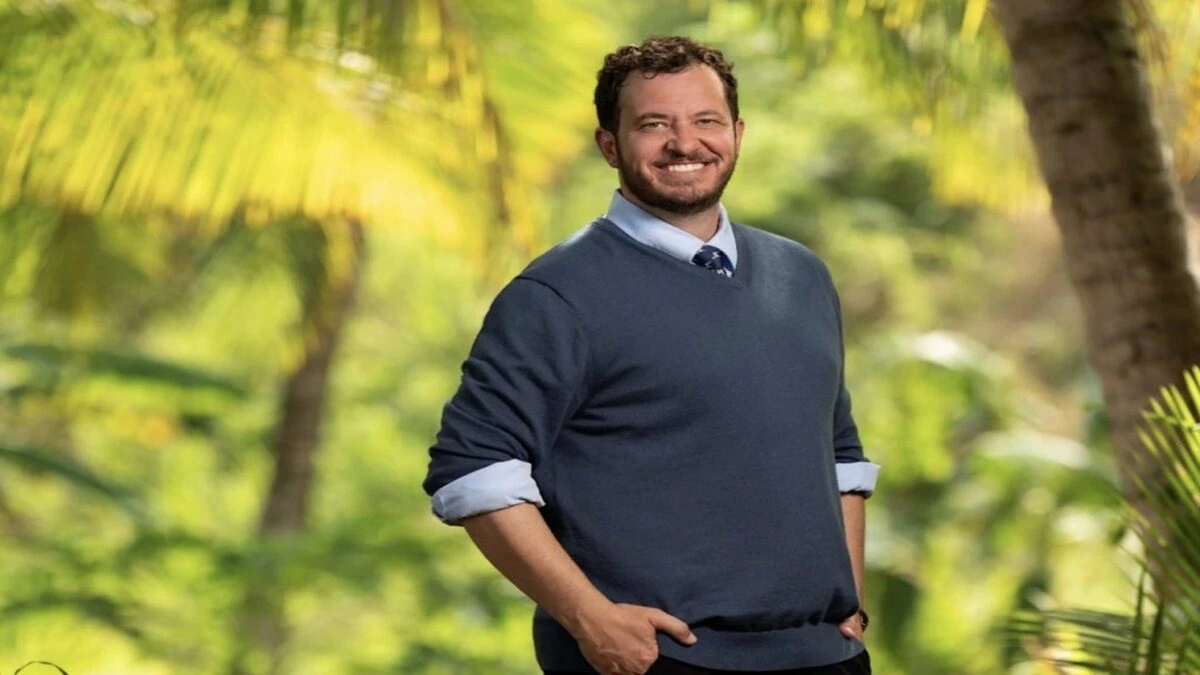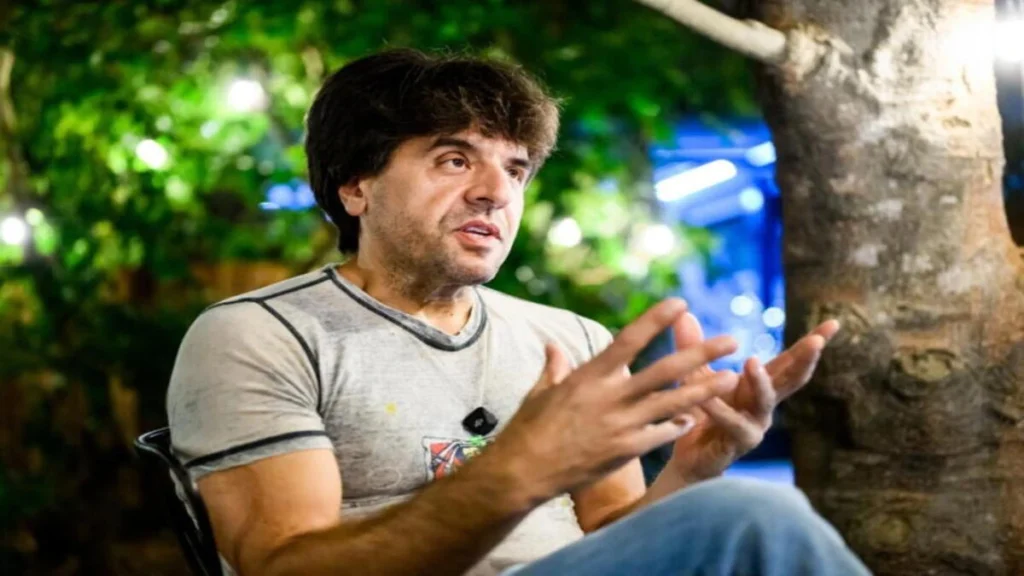

Karl Deisseroth Biography
Karl Deisseroth is an American neuroscientist, psychiatrist, and bioengineer known for transforming modern brain research. Born on November 18, 1971, in Boston, Massachusetts, he developed an early interest in science and medicine. He earned a bachelor’s degree in biochemical sciences from Harvard College in 1992. Later, he completed his PhD in neuroscience in 1998 and MD from Stanford University in 2000.
Table of Contents
Deisseroth began his Stanford laboratory in 2004. Soon afterward, he helped establish optogenetics, a groundbreaking technique that uses light to control specific nerve cells. The method combines genetics, optics, and neuroscience to examine how individual brain circuits influence behavior and disease.
His research has advanced understanding of conditions such as depression, Parkinson’s disease, and other neurological and psychiatric disorders. He also continues to practice psychiatry while leading neuroscience research at Stanford.
In 2014, Deisseroth became an investigator with the Howard Hughes Medical Institute. His achievements have earned numerous major scientific honors, including the Kyoto Prize, Japan Prize, Lasker Basic Medical Research Award, and Breakthrough Prize.
Most notably, Deisseroth received the 2026 Nobel Prize in Physiology or Medicine alongside Peter Hegemann and Georg Nagel. The Nobel committee recognized their discoveries concerning light-gated ion channels and optogenetics.
Additionally, Deisseroth founded Stanford’s Human Neural Circuitry program in 2023. The program studies human brain activity using advanced technologies. He also authored Projections: A Story of Human Emotions, exploring neuroscience through experiences with psychiatric patients.
Karl Deisseroth Age: How Old Is Karl Deisseroth?
Karl Deisseroth was born on November 18, 1971, in Boston, Massachusetts. Therefore, Karl Deisseroth is 54 years old in 2026. Over the years, his groundbreaking research in optogenetics has transformed modern neuroscience. Moreover, his work has improved understanding of brain circuits and psychiatric disorders. In 2026, Deisseroth reached another major career milestone after receiving the Nobel Prize in Physiology or Medicine. He shared the prestigious award with Peter Hegemann and Georg Nagel for discoveries that advanced optogenetics. At 54, Deisseroth continues combining neuroscience, psychiatry, and bioengineering in his research and medical practice.
Karl Deisseroth Height: How Tall Is Karl Deisseroth?
Karl Deisseroth’s height is not publicly confirmed . Available information provide extensive details about his education, career, research, and achievements. Therefore, his exact remains unknown. Deisseroth is an American neuroscientist, psychiatrist, and bioengineer at Stanford University. Meanwhile, his professional achievements have attracted significant attention following his 2026 Nobel Prize in Physiology or Medicine. His award recognized groundbreaking work involving light-gated ion channels and optogenetics.
Karl Deisseroth Wife
Karl Deisseroth is married to Dr. Michelle Monje-Deisseroth, a prominent Stanford physician and neuroscientist. The couple met while working at Stanford, where both pursued careers in medicine and neuroscience. Michelle Monje-Deisseroth specializes in pediatric neuro-oncology and researches aggressive childhood brain tumors. Over the years, the couple has supported each other’s demanding medical and scientific careers. They also share a family with five children. In 2026, Michelle supported Karl during his historic Nobel Prize in Physiology or Medicine recognition. She received the Nobel committee’s call after Karl initially missed it. Their relationship combines family life with a shared commitment to medicine, research, and scientific discovery. Together, Karl and Michelle continue their work at Stanford while raising their children.
Karl Deisseroth Children
Karl Deisseroth and his wife, Michelle Monje-Deisseroth, have five children. Their children are named Cole, Alexander, Hudson, Emma, and Sophie. The family lives in Stanford, California, where both parents have built prominent medical and scientific career. Their children include three sons and two daughters. Deisseroth balances his demanding neuroscience career with an active role in family life. In fact, he prepared school lunches for his children after learning about his 2026 Nobel Prize in Physiology or Medicine. His children also celebrated with him after he shared the news at home. Although Deisseroth maintains a high-profile scientific career, he keeps much of his family life private. His children therefore remain largely outside the public spotlight.
Karl Deisseroth Parents
Karl Deisseroth was born into a family with strong scientific and medical roots. His father, Albert B. Deisseroth, was a physician, professor, and hematologist-oncologist. He pursued cancer research and held several medical leadership positions during his career. Karl’s mother, Louise Deisseroth, worked as a high school chemistry teacher. She also had a strong interest in science and encouraged Karl’s curiosity during childhood. In fact, Louise recalled his fascination with nature and his remarkable concentration as a young boy. Karl grew up alongside two sisters, who also pursued careers connected to medicine and psychology. Therefore, his parents provided an environment centered on science, learning, and intellectual curiosity. Their influence helped shape the academic foundation that later supported Karl’s career in neuroscience.
Karl Deisseroth Ethnicity
Karl Deisseroth is of white American background. His ethnicity is generally described as White American, while his nationality is American. Deisseroth was born in Boston, Massachusetts, and comes from an American family with a strong academic background. His ethnic identity differs from his nationality, as ethnicity describes his ancestral and cultural background. Deisseroth has become widely known for his scientific achievements, but his ethnic background remains less discussed. His American heritage forms part of his broader personal background, alongside his upbringing and family history.
Karl Deisseroth Education & Harvard Degree
Karl Deisseroth has an impressive academic background spanning biochemistry, neuroscience, and medicine. He began his higher education at Harvard University in 1988. There, he studied biochemical sciences and graduated summa cum laude in 1992. He then entered Stanford University’s MD-PhD program, combining medical and scientific training. Deisseroth earned his PhD in neuroscience from Stanford in 1998. Two years later, he received his MD from Stanford University School of Medicine in 2000. He subsequently completed a medical internship and psychiatry residency at Stanford. His education therefore combined laboratory science with clinical medicine. This multidisciplinary training later supported his work in neuroscience, psychiatry, and bioengineering.
Karl Deisseroth Religion
Karl Deisseroth’s religion is Christianity, based on his religious upbringing and family background. He grew up in a family that valued both Christian faith and scientific inquiry. His parents supported his interest in science while also maintaining their religious beliefs. However, Deisseroth has not clearly identified a specific Christian denomination . Therefore, describing him simply as Christian is more appropriate than assigning a particular denomination. His work as a neuroscientist has also explored questions surrounding consciousness, spirituality, and religious experiences. Nevertheless, his scientific career does not establish his personal religious beliefs.
Karl Deisseroth Nobel Prize
Did Karl Deisseroth win the Nobel Prize?
Karl Deisseroth won the 2026 Nobel Prize in Physiology or Medicine for discoveries that led to optogenetics. He shares the prestigious award with Peter Hegemann and Georg Nagel. Together, their work established new ways to control nerve cells using light. Hegemann and Nagel discovered channelrhodopsin, a light-sensitive protein found in algae. Deisseroth then adapted this protein to control nerve activity with precise light signals. Consequently, optogenetics transformed modern neuroscience and opened new ways to study the living brain. The technique helps scientists examine neural circuits linked to memory, emotions, behavior, and neurological disorders. Therefore, Deisseroth’s Nobel recognition highlights his major contribution to brain research. The 2026 Nobel Prize in Medicine marks a significant milestone in his scientific career.
Karl Deisseroth Optogenetics: His Groundbreaking Neuroscience Research
Karl Deisseroth’s optogenetics research transformed how scientists study the brain. Optogenetics combines genetic engineering and light to control specific nerve cells with remarkable precision. Deisseroth helped develop the technique by introducing light-sensitive proteins into neurons. Researchers can then use light to activate or silence selected brain cells. Consequently, the method helps scientists establish direct links between neural activity and behavior. It has advanced research into memory, emotions, movement, social behavior, and brain disorders. Deisseroth’s work also helped make optogenetics a powerful neuroscience research tool worldwide. In 2026, his contributions earned him the Nobel Prize in Physiology or Medicine alongside Peter Hegemann and Georg Nagel. Their discoveries concerning light-gated ion channels established the foundation for modern optogenetics.
Karl Deisseroth Books
Karl Deisseroth books include the following published work:
- Projections: A Story of Human Emotions (2021): Deisseroth’s book explores human emotions, psychiatry, neuroscience, and mental illness. He combines clinical experiences with patients and insights from brain science. The book uses literary nonfiction to examine complex emotional and psychological experiences. It also connects psychiatry with neuroscience, literature, history, and human behavior. Furthermore, Projections has become an internationally published book, with editions in more than 15 languages. Deisseroth drew from his emergency psychiatry experiences while developing the book. He began writing its first chapter during his psychiatry residency. The book remains his primary published work and showcases his career beyond laboratory research. Connections: A Story of Human Feeling represents the Spanish-language edition of Projections.
Karl Deisseroth Net Worth
Karl Deisseroth’s net worth is estimated between $5 million and $10 million in 2026. His wealth reflects a distinguished career in neuroscience, psychiatry, and bioengineering. Deisseroth serves as a professor at Stanford University and an investigator with the Howard Hughes Medical Institute. Over the years, he has also received several prestigious research awards and honors. Additionally, his groundbreaking work in optogenetics has strengthened his international reputation in neuroscience. In 2026, Deisseroth won the Nobel Prize in Physiology or Medicine alongside Peter Hegemann and Georg Nagel. The award recognized discoveries that led to optogenetics and transformed brain research. Therefore, his scientific achievements remain central to his professional success and financial profile.